



For property teams, landlords and care providers who need discreet spare-key access.

Ordinary on the outside. Key access inside.

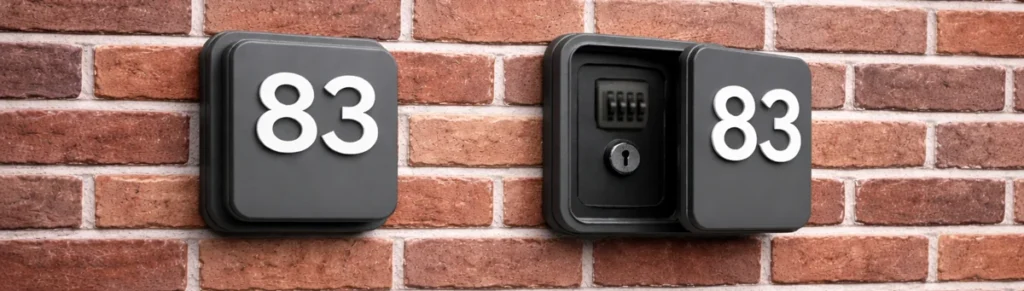
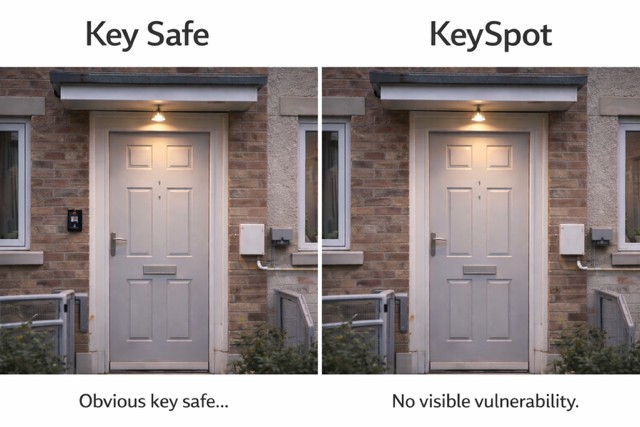
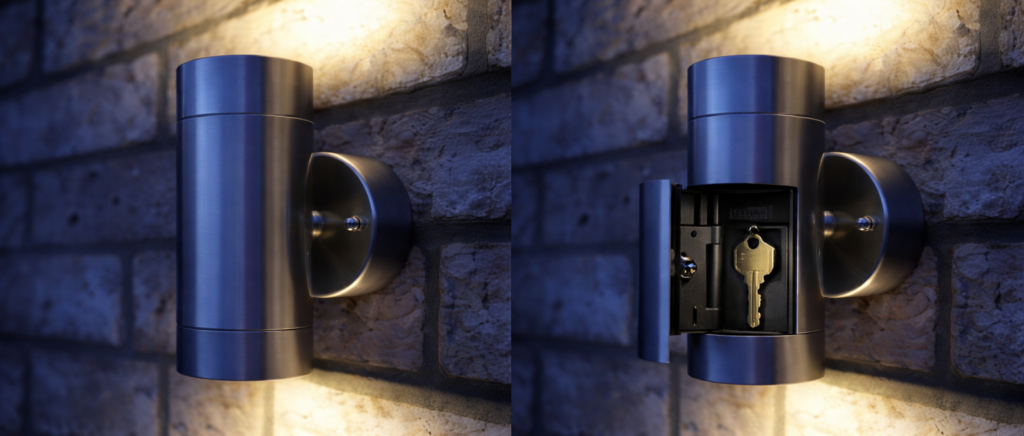
KeySpot shown closed as an ordinary-looking fixture and open for authorised spare-key access

A familiar property feature conceals a place to collect and return a spare key. Authorised users follow the agreed access process when the keyholder is away.

See the closed and open design

Closed: the exterior looks like part of the property.
Open: authorised users can reach the spare key.
After use: return the key and close the unit.

Two completed University of Sunderland trials

Research trials at City Campus and St Peter’s Campus explored KeySpot in everyday use, with positive feedback on discretion, practical access and staff efficiency.

Research in everyday use

The University confirmed that both trials were successful and created operational efficiencies for staff. Read the trial account for the settings and findings.

Innovate UK support

KeySpot® has been accepted for Innovate UK support to help progress product development and commercial readiness.

The next development stage

Prototype refinement continues. Independent product testing and certification form part of the development pathway and are not yet complete.

What is KeySpot®?

KeySpot makes a spare key available at the property while concealing the storage within an everyday feature, such as a house-number sign.

Designed for situations where shared access is needed and visible key storage is unsuitable.

KeySpot

What is DST?

Disguised Security Technology

Disguised Security Technology™ (DST) is the design approach behind KeySpot: integrating a security function into an everyday feature so its purpose is less obvious.

KeySpot® is the flagship product. DST™ is the wider framework being developed to guide concealed security design and evaluation.

Developed by KeySpot Security Ltd.

The Problem

People need access when the keyholder is away.

Care visits, repairs and inspections can depend on someone being available to hand over a key.

Common access problems include:

  • Waiting for keys before a visit can begin
  • Repeated trips to collect and return a key
  • Concern about putting spare-key storage on public display
  • Finding a discreet option that suits the property

The right arrangement must suit the property, its users and the organisation responsible for access.

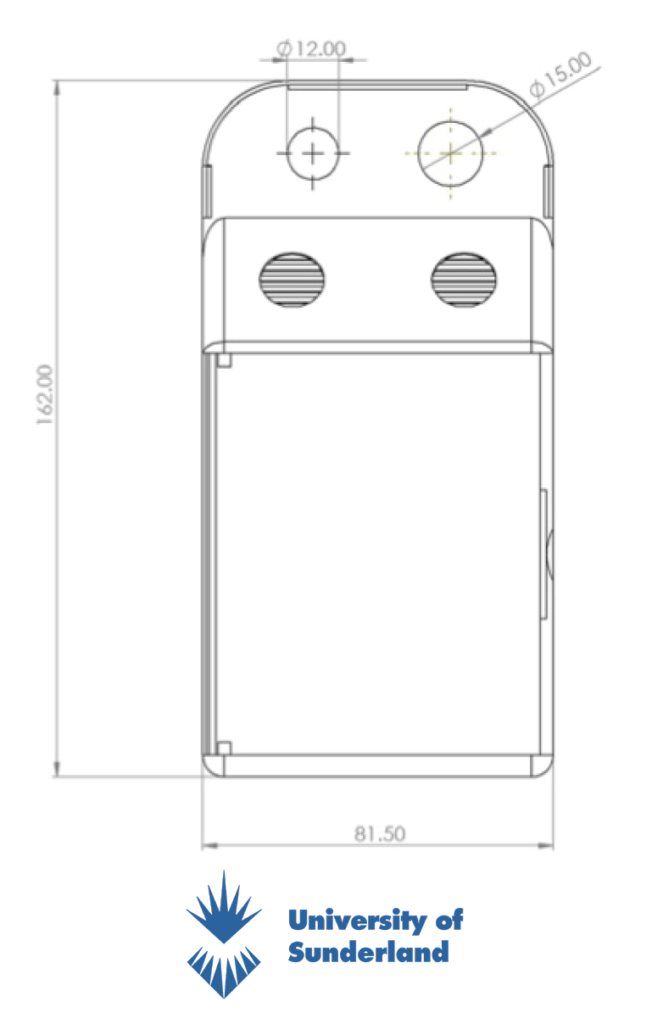
KEYSPOT WORK IN PROGRESS SKETCH - UNIVERSITY OF SUNDERLAND

The Solution

Access that fits the property

KeySpot® conceals spare-key storage within a familiar exterior feature, keeping its purpose discreet.

Designed to support:

  • Access when the keyholder is away
  • Key collection and return at the property
  • Agreed access for authorised users
  • A less visually obvious place to keep a spare key

Built for real-world access needs

Consider KeySpot® where unattended access and a discreet exterior both matter.

Examples include:

• Contractors visiting unoccupied properties
• Staff collecting keys for planned work
• Agreed visits by carers or support teams
• Properties where privacy and appearance matter

Our Story & Development

Founder Mark Cowie developed KeySpot® from his experience as a locksmith, asking how spare-key storage could fit into the property without making its purpose obvious.

Our Development Process

Design, build, use and refine. Working prototypes and feedback from real access settings help shape the next version.

Milestones Achieved

Working prototypes, two completed University of Sunderland research trials, and innovation support. The next stage focuses on refinement, independent testing and commercial readiness.

Latest News

Could KeySpot fit your property?

Tell us who needs access and what is difficult about your current arrangement. We’ll discuss the fit, the current stage of development and possible next steps.